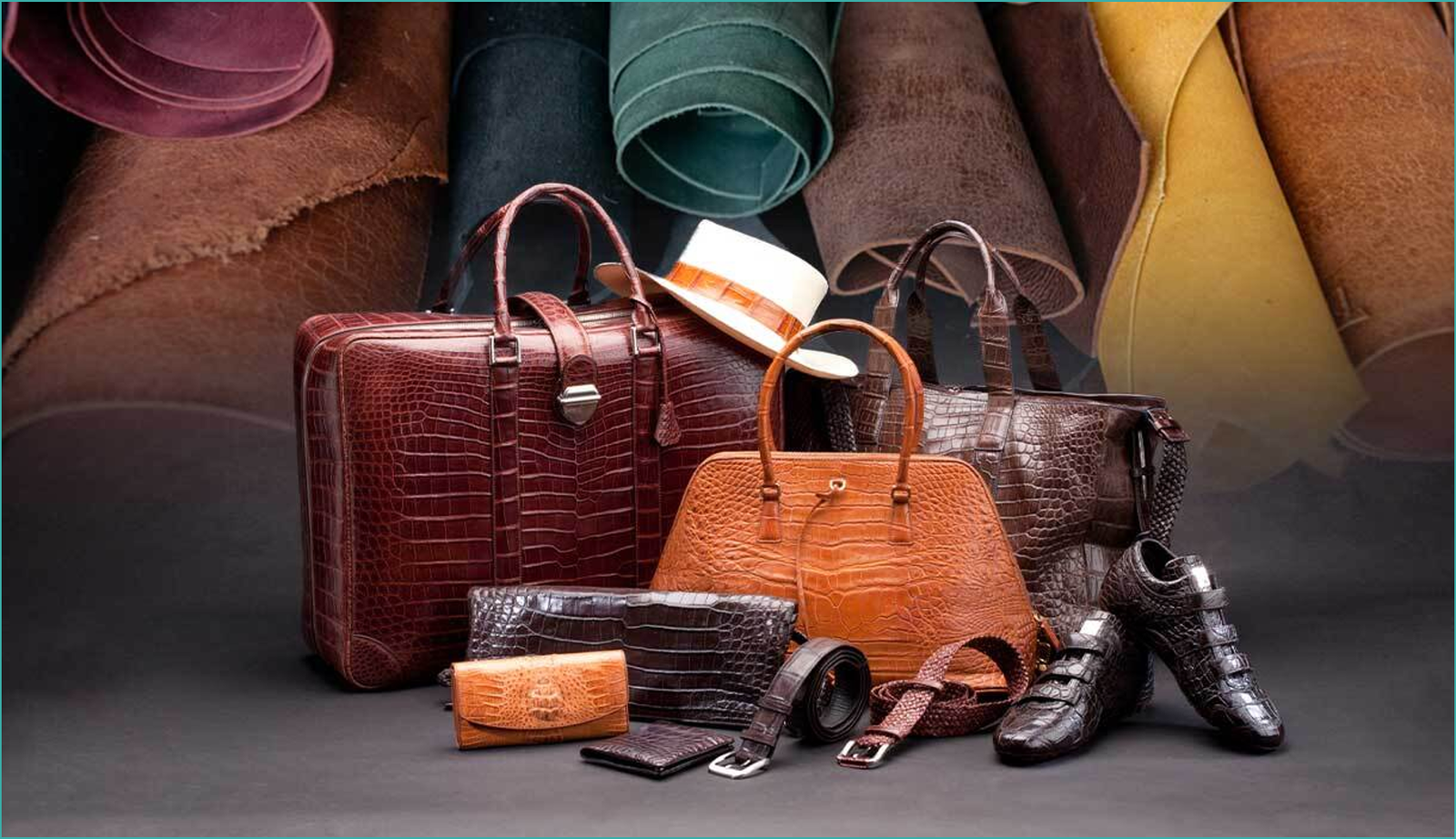
Bangladesh’s leather industry is a vital export sector, targeting $5-10 billion in annual exports by 2035. While leather footwear exports are surging, other segments like finished leather and leather goods face significant challenges.
Key hurdles include the dysfunctional Central Effluent Treatment Plant (CETP) at Savar, which impedes crucial Leather Working Group (LWG) certification and costs millions in lost revenue. Issues with raw hide quality and stringent international regulations like REACH and the upcoming EU Deforestation Regulation (EUDR) further demand robust traceability and compliance.
Despite these challenges, immense opportunities exist. We can unlock greater value by focusing on high-end finished products, adopting eco-friendly tanning methods, and investing in innovative plant-based leather alternatives. Strategic investments in technology, skilled workforce development, and digital transformation across the supply chain are essential.
Realizing this sector’s full potential requires a coordinated effort from government, industry, and academia. How do you see Bangladesh overcoming these obstacles to become a global leader in sustainable leather production?