Category: Blog

Bangladesh leather export, Finished leather Bangladesh, Leather products Bangladesh, Bangladesh footwear export, Leather industry Bangladesh, Savar Tannery Estate, LWG certification Bangladesh, Sustainable leather Bangladesh, Vegan leather Bangladesh, EU Deforestation Regulation (EUDR) leather, REACH compliance leather, Bangladesh leather market, Leather industry challenges Bangladesh, Leather export opportunities Bangladesh, Value addition leather Bangladesh, Raw hide quality Bangladesh, Digital transformation leather industry, FDI Bangladesh leather, Leather supply chain Bangladesh, Eco-friendly tanning Bangladesh, Banana leather Bangladesh, Fruit peel leather Bangladesh, Leather goods manufacturing Bangladesh, Bangladesh leather industry growth, Leather sector policy Bangladesh 0

Bangladesh’s Leather Industry: Charting a Sustainable Export Future

Bangladesh’s leather industry is a vital export sector, targeting $5-10 billion in annual exports by 2035. While leather footwear exports are surging, other segments like finished leather and leather goods face significant challenges.
Key hurdles include the dysfunctional Central Effluent Treatment Plant (CETP) at Savar, which impedes crucial Leather Working Group (LWG) certification and costs millions in lost revenue. Issues with raw hide quality and stringent international regulations like REACH and the upcoming EU Deforestation Regulation (EUDR) further demand robust traceability and compliance.
Despite these challenges, immense opportunities exist. We can unlock greater value by focusing on high-end finished products, adopting eco-friendly tanning methods, and investing in innovative plant-based leather alternatives. Strategic investments in technology, skilled workforce development, and digital transformation across the supply chain are essential.
Realizing this sector’s full potential requires a coordinated effort from government, industry, and academia. How do you see Bangladesh overcoming these obstacles to become a global leader in sustainable leather production?

Integrated Marketing Communication (IMC), Brand Equity, Digital Marketing, Digital Age Marketing, Brand Building Strategies, Marketing Communication, Brand Awareness, Brand Image, Brand Loyalty, Brand Recognition, Brand Recall, Consumer Perception, Customer Relationships, Marketing Consistency, Brand Authenticity, Transparency in Marketing, Measuring IMC Effectiveness, Marketing ROI (Return on Investment), Digital Marketing KPIs (Key Performance Indicators), Customer Acquisition Cost (CAC), Conversion Rate (CVR), Click-Through Rate (CTR), Net Promoter Score (NPS), Impact of IMC on brand equity in digital age, Integrated marketing strategies for brand building in Bangladesh, How digital marketing builds brand loyalty, Measuring ROI of integrated marketing campaigns, Challenges of digital marketing in Bangladesh, Opportunities for e-commerce in Bangladesh, Role of social media in IMC Bangladesh, Authentic content marketing practices, Consistency in brand messaging digital age, Successful digital marketing campaigns Bangladesh, Mobile financial services impact on digital economy Bangladesh 0

The Strategic Imperative: Building Brand Equity Through Integrated Marketing Communication in the Digital Age

Integrated Marketing Communication (IMC) is a vital strategic approach in the digital age, unifying diverse marketing channels like advertising, PR, and social media to deliver a consistent brand message and foster strong brand equity. Unlike traditional marketing’s fragmented efforts, IMC builds enduring customer relationships by enhancing brand awareness, shaping positive brand images, and cultivating loyalty through cohesive, data-driven interactions. Social media platforms, with their robust content marketing, influencer collaborations, and targeted advertising capabilities, serve as central hubs for digital IMC, amplifying brand narratives and driving engagement. The seamless integration of these elements ensures a unified customer experience, which is crucial for building trust and recognition in a crowded digital landscape.
Bangladesh presents a dynamic case study, characterized by high mobile connectivity, rapid social media adoption (60 million users in January 2025), and a burgeoning e-commerce market projected to reach US$13 billion by 2027. While opportunities abound, challenges such as limited digital literacy, infrastructure disparities, and a strong reliance on cash-on-delivery persist. Successful local brands like bKash and Grameenphone demonstrate that culturally resonant, localized content and integrated “super app” strategies are key to building brand equity and trust. Ultimately, consistency and authenticity across all digital touchpoints are paramount for fostering genuine connections, while comprehensive measurement of KPIs like brand awareness, engagement, and conversion rates is essential to quantify IMC’s impact and demonstrate its financial return.


How UGC impacts brand reputation in Bangladesh, Benefits of user generated content for businesses in Bangladesh, UGC campaigns for startups in Bangladesh, Increasing customer engagement with UGC in Bangladesh, Building brand loyalty through user content Bangladesh, Cost-effective marketing strategies Bangladesh, Role of social proof in Bangladeshi e-commerce, User-generated video content Bangladesh, Mukher Kotha digital marketing Bangladesh, Authenticity in digital marketing Bangladesh 0

How User-Generated Content is Reshaping Brands in a Hyper-Connected World, with a Bangladeshi Lens

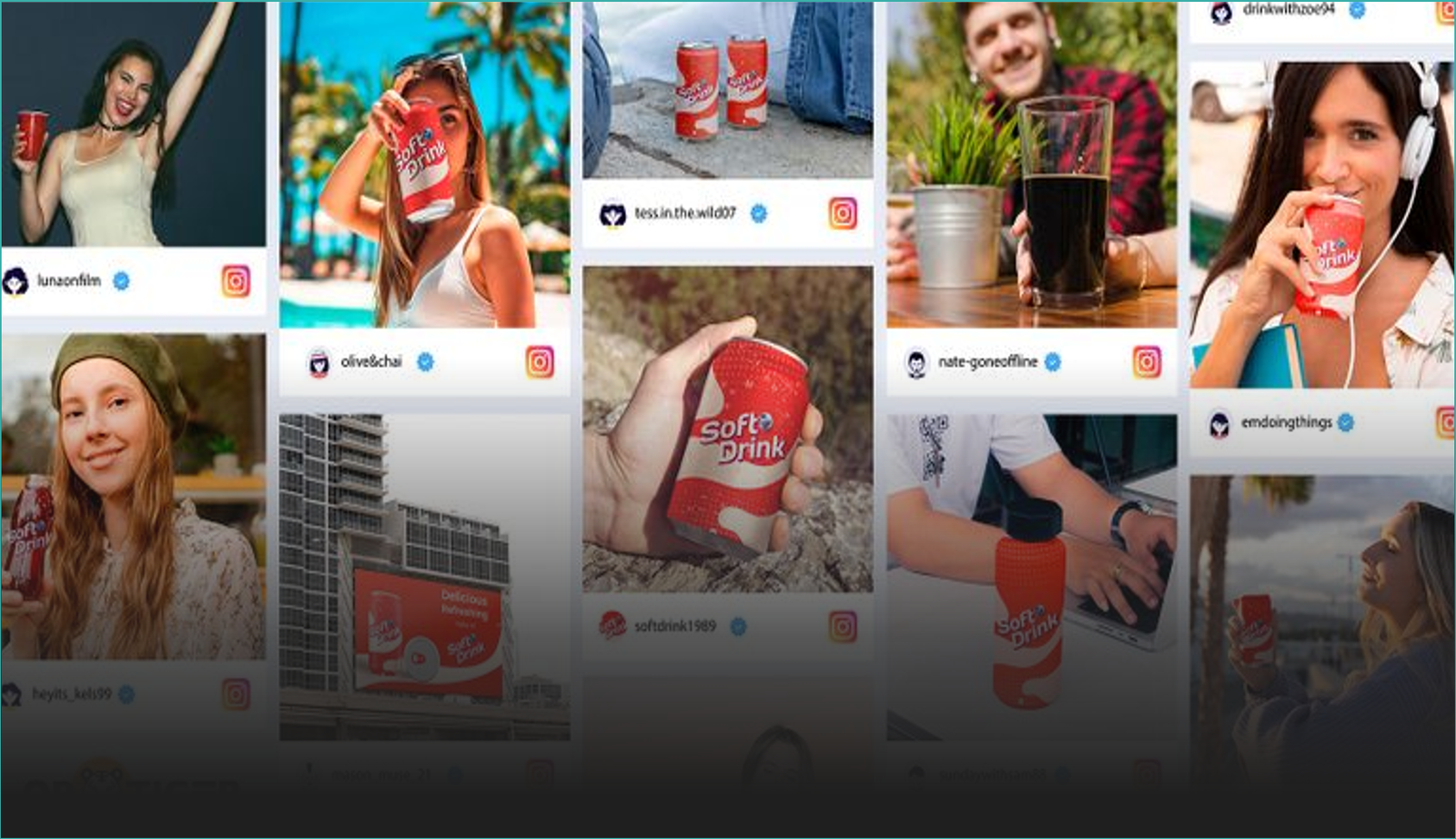
How User-Generated Content (UGC)—authentic content created by consumers—is revolutionizing branding. UGC builds immense trust and credibility, drives engagement, offers cost-effective content, expands reach, and provides valuable product insights. It’s crucial for brand equity by fostering authenticity and advocacy. The piece then narrows its focus to Bangladesh, highlighting how its mobile-first, social media-driven culture, and inherent trust in word-of-mouth (mukher kotha) make it a fertile ground for UGC, despite specific local data still emerging. Ultimately, the article emphasizes that embracing UGC is vital for brands to connect authentically with consumers in the digital age.

Why is SEO important for a brand?, How does SEO benefit my business?, What are the core components of SEO?, How to improve SEO for small business?, SEO tips for brand growth, Is SEO better than PPC for long term?, Understanding SEO for digital marketing, Case studies for SEO success, The role of content in SEO, Future SEO trends to watch, How AI is changing SEO, Building brand credibility with SEO, Local SEO importance for brands, E-E-A-T and SEO, How to get organic search traffic 0

Why SEO is Your Brand’s Undeniable Superpower – Unveiling the Digital Beacon

Search Engine Optimization (SEO) is crucial for online brand visibility and growth. It highlights how SEO drives organic traffic, builds trust, enhances brand awareness, and improves user experience, leading to sustainable success. The piece details SEO’s three pillars—Technical, On-Page, and Off-Page SEO—and provides case studies to show real-world impact. It also contrasts SEO with PPC, positioning them as complementary strategies, and explores future trends like AI in search and the continued focus on E-E-A-T, urging brands to adapt to SEO’s evolving landscape.

This guide will help you understand what LinkedIn Boosting is, who it's for, why you should use it, and best practices to maximize your results. 0

LinkedIn Boosting: A Best Practices Guide by LinkedIn

This guide will help you understand what LinkedIn Boosting is, who it’s for, why you should use it, and best practices to maximize your results.

Boosting is the simplest way to expand the reach of your content to new audiences. It transforms a post from your LinkedIn Page into an ad on the feed. You can use boosting to increase awareness, drive engagement on your posts, and direct traffic to your website with just a few clicks.

Marketing trends, Marketing evolution, Consumer behavior shifts, Digital transformation, Future of marketing, Shifting preferences, Technological advancements, Competitive landscape, Mass media, Traditional advertising, Experiential marketing, Public relations (PR), Advertising budget, Campaign performance, Market dynamics, Customer journey, Brand recall, Online visibility 0

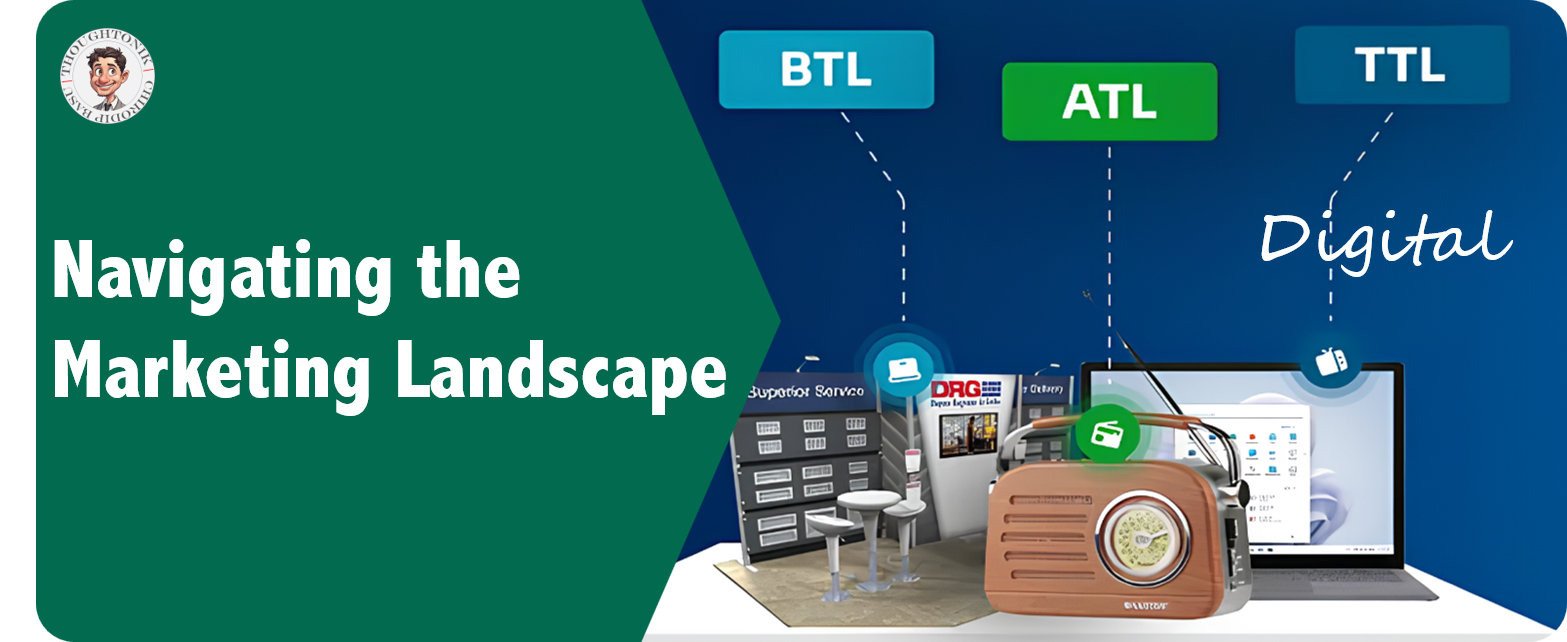
Navigating Bangladesh’s Marketing Landscape: ATL, BTL, TTL, and the Digital Revolution

Bangladesh’s marketing landscape is rapidly shifting towards integrated TTL strategies, with digital at its core. Fueled by 77.7 million internet users and an e-commerce market projected to reach US$13 billion by 2027, digital channels are paramount. Organizations are increasingly investing in data-driven campaigns, with digital advertising expected to comprise 78% of total ad spending by 2029, highlighting its critical role in reaching and engaging the modern Bangladeshi consumer.

0

Digital Marketing: Expense or Investment? A Strategic Analysis in the Bangladeshi Context

This situation has created a “digital paradox” in Bangladesh’s digital marketing landscape. On one hand, businesses deeply understand the necessity of a digital presence and their interest in this area is clear. On the other hand, they are hesitant about the strategic investment required for effective promotion and achieving desired results. This contradiction indicates a conceptual acceptance of digital marketing, but an incomplete or misguided understanding of its deeper strategic aspects and true investment value. This mindset hinders long-term business growth and prevents the full potential of digital marketing from being realized, as it becomes merely a “check-box” activity that fails to deliver real results. This article will analyze the current digital marketing situation in Bangladesh, address common misconceptions, and encourage viewing digital marketing as a powerful investment by providing data-driven insights and practical strategies.